
Self-Compassion for Writers
A free resource for writers (and anyone, really!)

At Unhooked & Held, I share personal stories, poems, paintings, and pep talks on my journey to living a life of creativity, curiosity, and self-compassion. I typically write about motherhood, mental health, and whatever I’m currently learning/noticing in this season. Thank you for reading, ‘heart’ing, commenting, and sharing.
***
What would you try if you knew you couldn’t fail?…er, let me rephrase that,
What would you try if you knew you’d be kind to yourself whatever the outcome?
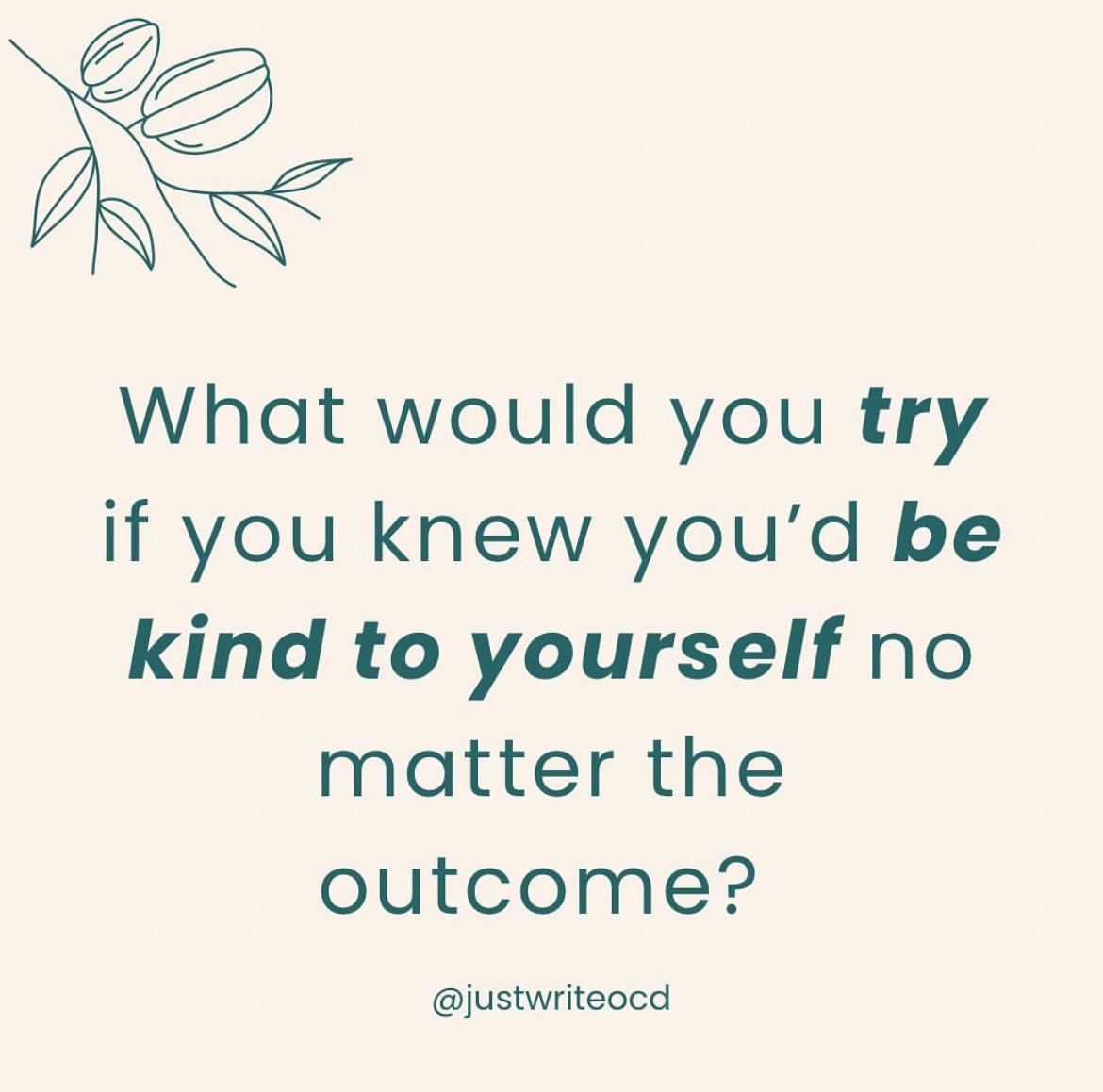
This question, and the tenets of self-compassion, has transformed my writing practice, my approach to life, and my mental health. I am no longer scared to try new things or “fail” because I know I will be kind to myself no matter what. In the last year alone, I have taken up cold plunging, painting, submitting my writing to new contests and publications, and completed my first sprint triathlon. Self-compassion has taught me to treat myself with the same kindness, grace, empathy, and encouragement that I would a friend. And it has made all the difference.
I led a workshop on self-compassion for writers last fall at my local writing group. It was so cool to see war vets and journalists, mystery writers and poets practice speaking to themselves with compassion. Self-compassion is for everyone! Even you!
So I’d like to share this self-compassion resource with you, my dear readers. I crafted it specifically for writers, but you can replace writer with artist or mother or worker or human. You can utilize the following exercises wherever perfectionism or resistance pop up in your life.
Self-compassion for Writers Worksheet
Three ways to access the resource:
Click below for a printable pdf

Click here to make a copy of the Google doc to fill out yourself.
Or keep reading and follow along here on Substack 👇
Self-compassion for Writers
Tips for moving through perfectionism and resistance
What is perfectionism?
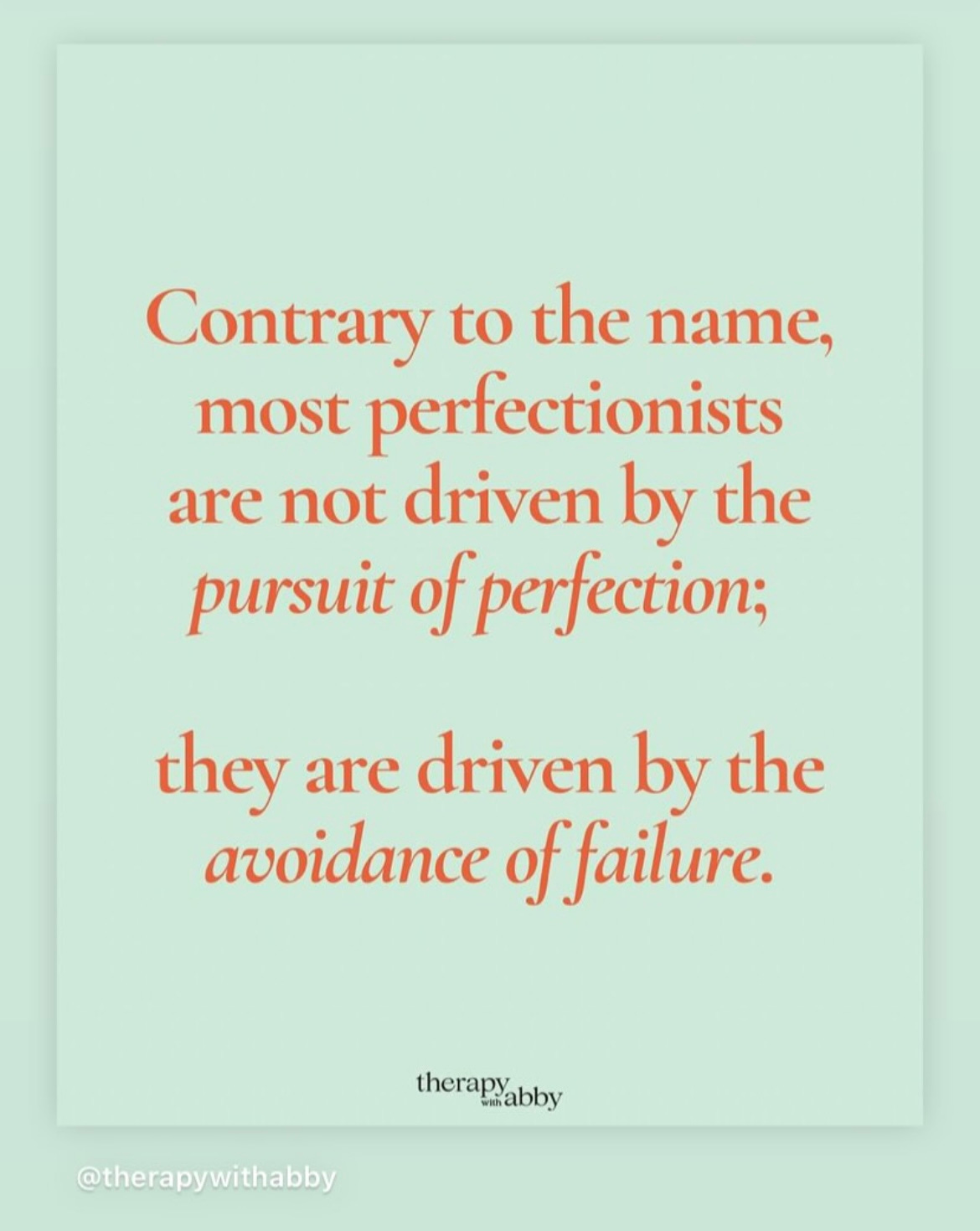
Most perfectionists recoil or scoff at that term because they can see how far off the mark they are. If that’s you, keep an open mind.
Perfectionism is “A pattern of unhelpful thoughts and beliefs that focus on unreasonably high self-standards and endless self-criticism.”
Common perfectionism behavior patterns
Self check in–label the above tendencies N-never, S-sometimes, O-often, A-always
High and inflexible standards___
Endless self-criticism___
Avoidance and procrastination___
Fear of failure___
Stagnation/self-sabotage___
How perfectionism sneaks into our writing/art making practice/lives
All or nothing: If I can’t write 1000 words today, I might as well not write at all.
Every detail of this draft must be perfect.
If I make a mistake, people will think I’m incompetent, stupid, lazy, unoriginal, etc.
Black and white thinking–The creative process is either all good or all bad. I’m either a genius or an idiot.
Analysis paralysis–I can’t move forward until I’m sure this idea will work.
Endless revision–a piece never feels done or good enough to hit publish, submit, or share with others.
Uncomfortable with praise because you can see all of the mistakes / fear being “found out” as a fraud.
All writers struggle at some point–with writer’s block, procrastination, time management, running out of ideas, etc. We can respond with self-criticism or self-compassion.
What is self-compassion?
If a friend came to you and said they were struggling with a part of their writing practice, how would you respond?
_____________________________________________________________________________________________________________________________________________________________________
Most likely, you would be understanding, compassionate, and kind. Self-compassion is responding to yourself with the same compassion you would a friend. Why do we have different rules for ourselves than for others? Now imagine you are having a similar issue as your friend. Write a compassionate response to yourself below:
_____________________________________________________________________________________________________________________________________________________________________
What self-compassion isn’t
Self-pity
Mental space allows us to view our struggles within the context that all humans struggle
Self-indulgence
Not license to do whatever we want with disregard for what’s best for us
Self-esteem
Not tied to external factors such as our successes or our perceived value in comparison to others
**It’s possible to be kind while also working and progressing towards our goals.**
3 Components of Self-Compassion
Mindfulness vs. over-identification
Common humanity vs. isolation
Self-kindness vs. self-judgment
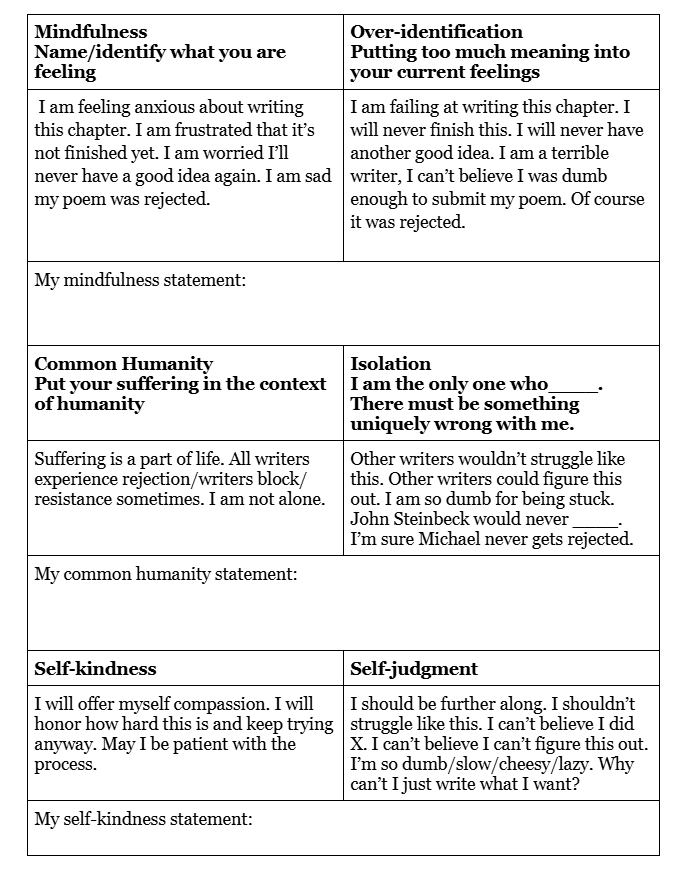
Practice Time!
Think of something you are currently struggling /have struggled with in the writing process. Respond with mindfulness, common humanity, and self-kindness by filling out the blank spaces in the chart above.
Ex: I am feeling anxious right now because I haven’t heard back about my submission. (mindfulness) It’s okay that I feel this way. All writers feel nervous about how their words will be received. (common humanity) I will honor how hard this is and the bravery it took to put myself out there. (self-kindness)
Tips for moving through perfectionism (the all of all or nothing)
First, Self-compassion
Drop one –is there one task/requirement/standard that you can let go of, at least for today?
Mess up on purpose –leave in a typo, don’t go back to revise a second or third time
List your fears. Ex: What if it’s terrible? -respond with “maybe” and” so what?” Am I going to let that stop me?
Experiment–stuck on an opening? Experiment with three potential openings. Try a new format, medium, or POV.
Play–try a different creative outlet. Try fiction or poetry, painting or gardening.
Tips for moving through resistance (the nothing of all or nothing)
First, Self-compassion
Push one (as opposed to drop one). Do one thing you’ve been avoiding
Set a timer
Body doubling and accountability–set a time to write with a friend, either in person or online. Or text, I am going to write for __ minutes.
Move! Walk, drive, dance, do laundry (but don’t clean the whole house or reorganize the junk drawer to procrastinate ;))
Expect resistance and plan for how you will respond
Mission statement—what is your why for writing? Connect to your values.
_____________________________________________________________________________________________________________________________________________________________________
You can follow your values even when perfectionism, resistance, and life gets in the way.
Resistance statement—how do you plan to respond to resistance in your writing life? Resistance is trying to protect you, but it is not serving you.
When resistance surfaces, I will _________________________________
_____________________________________________________________________________________________________________________________________________________________________
Resources
Exhale Creativity–an online creative community for mothers—this is the best place to see compassion and encouragement modeled
If you have anxiety or OCD, I highly recommend The Self-Compassion Workbook for OCD by Kimberly Quinlan, LMFT
***
I would love to know if or how you utilize this resource. Are you new to self-compassion? Did any particular exercise resonate with you? Would you like me to a lead a workshop for your writers group or a group of you and your friends? Let me know by replying to this email or commenting below.
This is a great resource! I can't wait to go through it! Thank you!!
Aly!! We all need this! What a beautiful reminder of why we write and how to treat ourselves. THANK YOU.